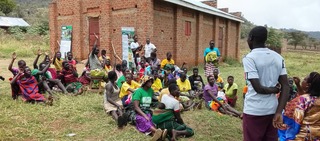
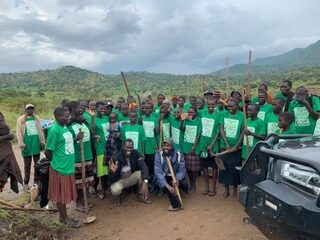
The project is located in Kaabong district, Karamoja Region of North-eastern Uganda.
“Tropical forests are our last line of defence for the climate and home to millions of people whose lives depend on them”, said Philemon Ngorok, a member of the Ik Indigenous peoples who inhabit Timu and Morungole forests in Kaabong, Karamoja, Uganda.
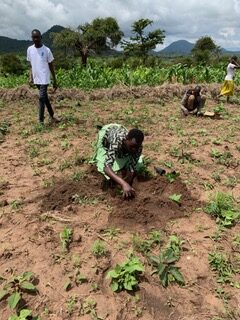
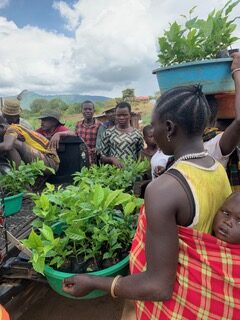
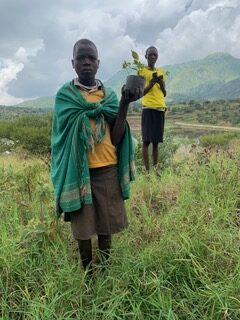
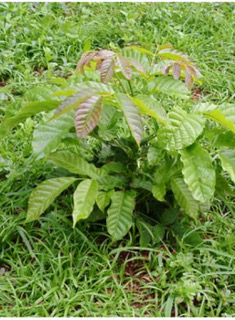
Whereas the Ik have lived in Timu and Morungole protected areas before they were gazetted, managers regard them as encroachers because of their Indigenous People identity.
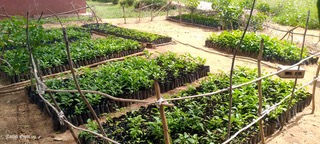
The Government of the republic of Uganda does not recognize Indigenous Peoples as defined by the UN. All citizens of Uganda of African descent are referred to as indigenous. This project will contribute to resolving the conflict by promoting collaboration in restoration of these forest ecosystems. Secondly, observations indicate that woodlands and bushlands were deforested by 81,807 Ha over 25-year period (1990 to 2015). Identified drivers include: low level of awareness, infrastructure (roads, buildings, community stores), over harvesting for fire-wood and charcoal, cultivation, cattle grazing, poorly coordinated dual management arrangements between protected area managers. This project works with NFA, UWA and Local Governments, and Civil Society organizations and two collaborative forest management (CFM) groups to implement remedial actions to the observations above. This project is having multiple achievements. It is addressing the resolution of conflict between the National Forest Authority (NFA) and Indigenous People and Local Communities (IPLC). It is increasing levels of understanding and appreciation for conservation. It is improving livelihoods through beekeeping and honey production for the non-extractive income generation of the IPLC, practicle hands-on training of IPLCs in Tree seed collection, Tree Nursery Bed establishment, tree management. There is the possibility of people working with the National Forest Authority through skills the IPLC acquired through this project
‘…The project is shifting power and resources directly to communities facing extreme heat, mud slides, floods and other climate shocks. This isn’t just about survival, it’s about catalyzing equitable, systems-level change where it’s needed most’
When asked what the project has benefitted her as an individual, Evelyn Nakwang, one of the Indigenous forest dependent Ik People had this to say, “Before the project came, we did not know that we could restore the forest, which we consider our mother, our father, because of how much we depend on it for our livelihood. It was disappearing right before our eyes degraded and deforested by powerful outsiders. The project has armed us with skills to lead the restoration and conservation of our forest, to own and get tangible benefits from the process!” “Previous efforts made us feel used!”